
Construction projects thrive on efficiency and cost control. An affordable auto concrete mixer machine helps achieve both. It mixes concrete quickly and consistently on-site. This reduces reliance on ready-mix deliveries and lowers labor costs.
Many builders seek machines that balance price and performance. Terms like self loaded concrete mixer, concrete mixer portable, diesel concrete mixers, and big concrete mixer describe popular options. This guide explores affordable choices for different project scales.
We focus on practical features, real-world costs, and tips to maximize value. No hype—just actionable insights for smart buyers.
Why Affordability Matters in Concrete Mixers
Concrete mixers are essential but represent a significant investment. Overpaying for features you don’t need strains budgets. Conversely, ultra-cheap models often break down, causing delays and repair expenses.
Affordable mixers strike a balance. They deliver reliable performance without premium pricing. Key considerations include:
- Initial purchase cost
- Fuel or electricity efficiency
- Maintenance requirements
- Durability for daily use
For small contractors or DIYers, affordability means minimizing upfront spending. For larger teams, it involves optimizing long-term operational costs.
Types of Affordable Auto Concrete Mixers
1. Self Loaded Concrete Mixer
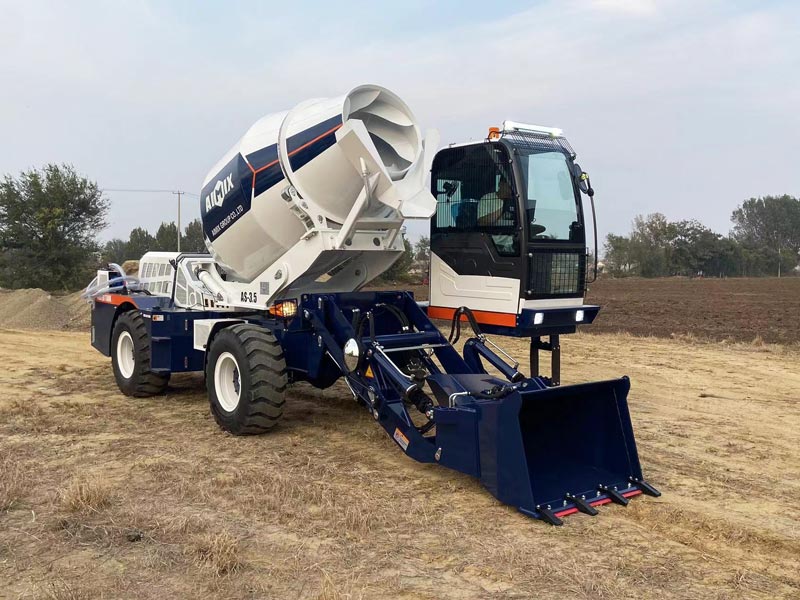
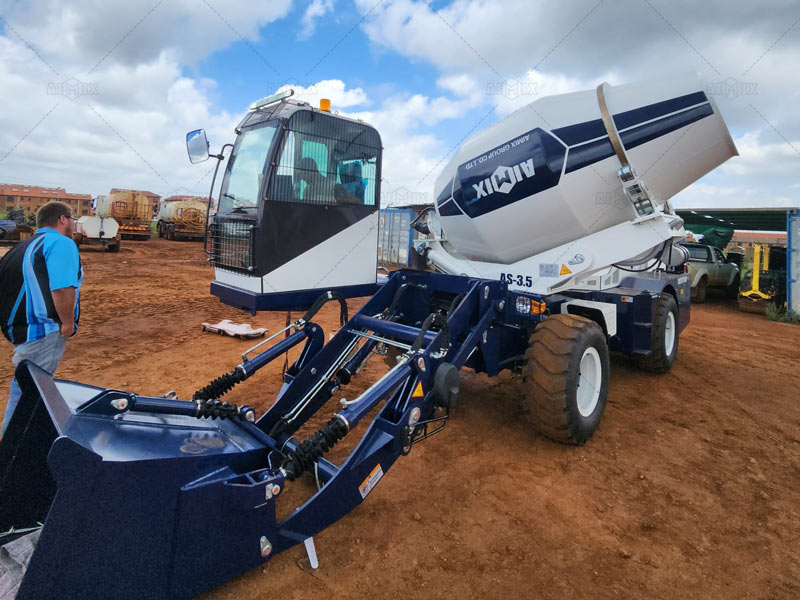
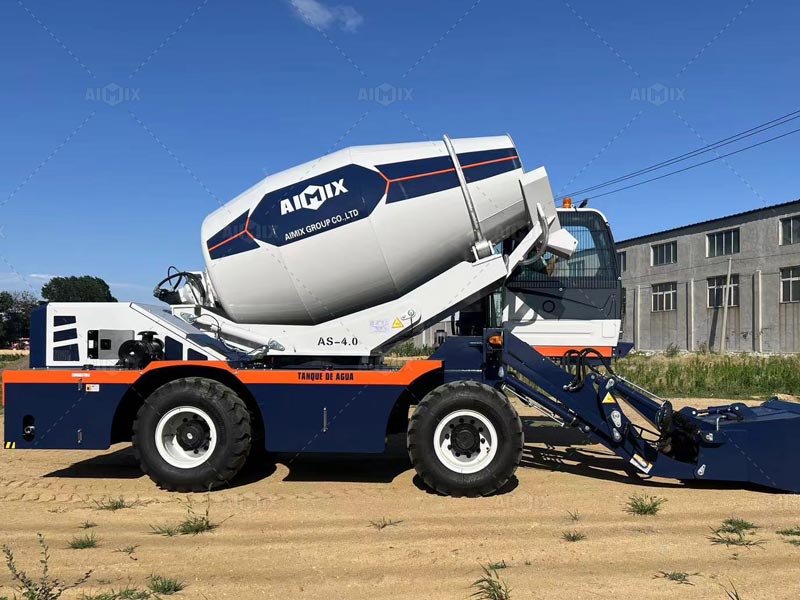
A self loaded concrete mixer automates material loading, mixing, and unloading. Operators drive to sand/gravel piles and activate the loading arm. Water comes from an onboard tank.
This design eliminates separate loaders and reduces labor needs. Affordable models start around 14,000 new. Capacity ranges from 1.2m³ to 3m³ per batch. Ideal for medium projects with dispersed pour points.
2. Concrete Mixer Portable
Concrete mixer portable units prioritize mobility and compactness. They fit tight spaces like alleys or indoor floors. Sizes range from 120L to 350L drums.
Prices begin near 1,500-$3,000. Perfect for patch jobs, footings, or DIY builds. Limited capacity suits short-cycle tasks.
3. Diesel Concrete Mixers
Diesel concrete mixers excel in remote areas without electricity. They offer robust torque for heavy mixes and uneven terrain.
Small diesel units (8,000) handle basic pours. Larger towable mixers (20,000) serve frequent job sites. Fuel efficiency varies—research gallons per batch.
4. Big Concrete Mixer
Big concrete mixer refers to high-capacity models (4m³+). They suit large pours like foundations or commercial slabs.
Affordable options exist in the 40,000 range. Consider residual value—well-built big mixers retain resale worth. Pair with self-loading for labor savings.
Key Features Affecting Affordability
Drum Capacity
Match drum size to daily concrete needs. A 2m³ mixer costs less upfront than a 4m³ model but requires double the batches for large pours. Calculate cost per cubic meter mixed.
Power Source
Electric mixers have lower operating costs but need stable power. Diesel/gas units offer independence but higher fuel expenses. Solar-compatible models emerging for off-grid use.
Automation Level
Basic mixers require manual loading. Semi-automatic versions automate water dosing. Fully automatic self loaded concrete mixers command premium prices but reduce labor.
Build Quality
Steel thickness, bearing quality, and motor type impact longevity. A 7,000 unit with thin metal. Inspect welds and seals.
Comparing Affordable Models by Project Scale
Small Projects (Under 10m³/day)
Target: Concrete mixer portable or mini self loaded concrete mixer
- Capacity: 100L–1.5m³
- Price range: 15,000
- Best for: Repairs, footings, fencing
Example: 200L electric portable mixer ($1,200). Fits through 32″ gates. Mixes 2 batches/hour.
Medium Projects (10–50m³/day)
Target: Mid-size self loaded concrete mixer or diesel concrete mixers
- Capacity: 2m³–3.5m³
- Price range: 35,000
- Best for: Residential slabs, commercial footings
Example: 3m³ self-loader ($28,000). Cuts labor by 3 workers. Covers 20m³/day.
Large Projects (50m³+/day)
Target: Big concrete mixer with self-loading
- Capacity: 4m³+
- Price range: 60,000
- Best for: High-rises, industrial floors
Example: 5m³ diesel self-loader ($45,000). Replaces 2 transit mixers.
Where to Find Affordable Mixers
New Equipment
- Manufacturer outlets: Direct sales avoid dealer markups.
- Online marketplaces: Filter by “new” condition. Compare specs.
- Trade shows: Negotiate volume discounts.
Used Market
- Auctions: Government or fleet liquidations. Inspect engine hours.
- Rental returns: Low-hour machines with warranty.
- Classifieds: Local ads for owner-operators upgrading.
Verify:
- Service records
- Drum/bearing condition
- Engine compression tests
Maximizing Value from Your Mixer
Training
Teach operators water-cement ratio control. Overwatering weakens concrete. Undermixing causes clumps.
Maintenance
- Clean drum after each use
- Grease fittings weekly
- Replace wear parts proactively
Scheduling
Group pours by location. Reduce transport time between batches.
Bulk Materials
Buy cement/sand in bulk. Lower material costs offset mixer investment.
Conclusion
Affordable auto concrete mixers exist across all categories. Self loaded concrete mixers cut labor for medium projects. Concrete mixer portable units serve tight spaces. Diesel concrete mixers power remote sites. Big concrete mixers handle high-volume demands.
Match machine capabilities to your project scale. Prioritize critical features over extras. Research used options carefully. With smart selection, you’ll control costs while boosting productivity.
Investing in the right affordable mixer pays dividends through faster pours, reduced waste, and consistent quality. Your construction projects deserve equipment that works as hard as your team.