
Cranes play a pivotal role in modern industrial operations, construction sites, ports, and manufacturing facilities. Among the diverse types of cranes available, gantry cranes and overhead cranes are two of the most widely used heavy-duty lifting equipment. While both serve the primary purpose of moving heavy loads with precision and efficiency, their working mechanisms, structural design, and operational environments differ significantly. Understanding these differences is crucial for industries to select the right crane system to improve productivity, ensure safety, and optimize costs.
Structural Overview
Overhead cranes, also referred to as bridge cranes, are typically installed within an industrial facility, such as a warehouse or factory. They consist of a bridge that spans the width of the workspace, running along fixed runways mounted on the walls or columns of the building. A trolley moves along the bridge and carries the hoist that lifts and lowers the load. Overhead crane for sale can be single-girder or double-girder, depending on the span and load requirements. Their fixed rail system provides highly stable lifting and precise positioning, making them ideal for indoor applications.
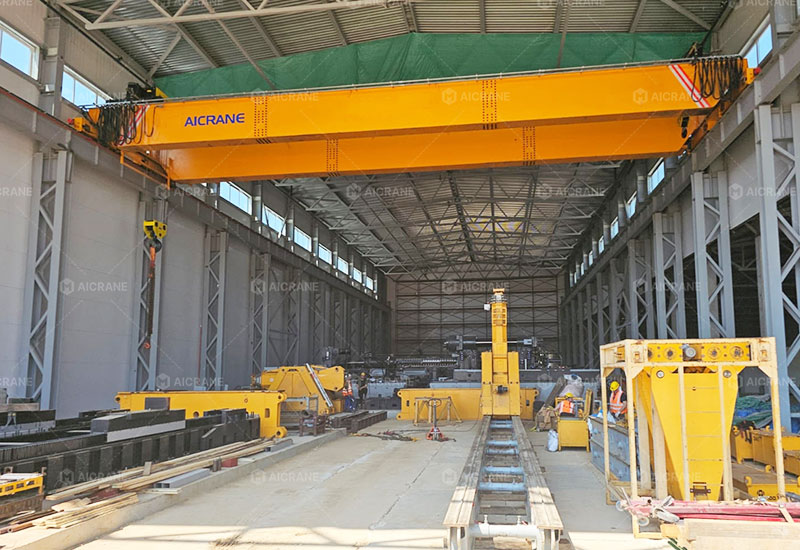
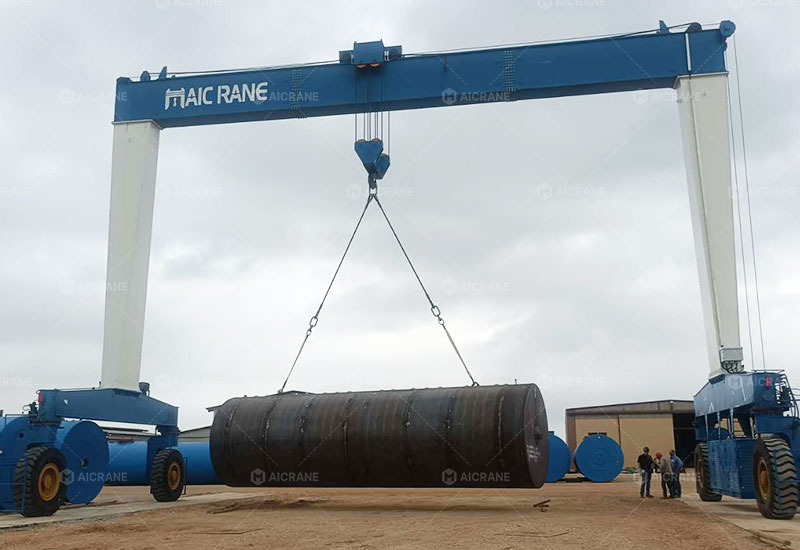
In contrast, gantry cranes are freestanding structures. A gantry crane consists of a bridge supported by two or more legs, which run on wheels or rails along the ground. Gantry cranes can be either full gantry, where the legs extend to the ground, or semi-gantry, where one side of the crane rests on the ground while the other side runs on a building runway. Gantry cranes are highly versatile because they do not require permanent building structures for support. They are often used outdoors in shipyards, container yards, or construction sites, where mobility is essential.
Load Handling Mechanisms
The load handling mechanism is the core component that defines the operational behavior of both crane types. Both overhead and gantry cranes utilize hoists, trolleys, and bridges, but the interaction of these components differs due to structural design and operational requirements.
Overhead Crane Mechanism
In an overhead crane, the bridge spans the width of the workspace and moves along the runway rails mounted on the building structure. The trolley, which houses the hoist, moves laterally along the bridge. The hoist, which can be electric, hydraulic, or mechanical, raises and lowers the load via a system of wire ropes, chains, or cables.
The key components of the overhead crane mechanism include:
-
Bridge Girder: The main horizontal structure supporting the trolley and hoist. In double girder overhead cranes, the trolley travels between the girders, offering higher lifting capacity.
-
Trolley: Moves along the bridge, allowing the hoist to reach any point along the span. Modern trolleys are often equipped with variable frequency drives (VFD) for precise speed control.
-
Hoist: The lifting mechanism, which can be equipped with drum-type wire ropes or chain systems. Some advanced hoists feature load-sway prevention and regenerative braking.
-
Runway Rails: Provide longitudinal movement along the length of the facility. Because they are fixed to the building, overhead cranes offer high stability and accurate positioning.
-
Control Systems: Can include pendant control, radio remote control, or operator cabins. Advanced systems also incorporate load monitoring, anti-collision sensors, and automatic positioning.
The working mechanism of overhead cranes focuses on precision and repeatability, making them suitable for environments where high accuracy is critical, such as assembly lines, machining operations, or steel production facilities.
Gantry Crane Mechanism
Gantry cranes share similar components, such as a bridge, trolley, and hoist, but their operational mechanics differ due to the freestanding design. Gantry cranes move along ground rails or rely on rubber tires for mobility, depending on whether they are rail-mounted or rubber tyred gantry cranes (RTGs). This mobility allows gantry cranes to cover larger areas than a fixed overhead crane.
Key components of the gantry crane mechanism include:
-
Bridge Beam: Similar to an overhead crane, it spans between the supporting legs and carries the trolley and hoist. The bridge design must accommodate the weight of both the hoist and the moving structure.
-
Supporting Legs: Provide stability and support for the bridge. Legs may run on rails or wheels, allowing the crane to travel along a defined path or a flexible area.
-
Trolley and Hoist: Function similarly to those on overhead cranes, but are often designed for heavy-duty lifting with high load capacities. Gantry cranes frequently use wire rope hoists with variable speeds for precise handling.
-
Mobility System: Rail-mounted gantry cranes operate along fixed tracks, while rubber-tyred gantry cranes offer flexibility by moving freely on a flat surface. Mobility is a defining factor for gantry cranes, especially in outdoor operations.
-
Control Mechanism: Gantry cranes can be operated via ground control stations, remote control, or operator cabins. Modern gantry cranes may include features such as automatic steering, anti-sway systems, and digital monitoring for safe and efficient operations.
Because gantry cranes are freestanding and can move loads over a larger area, their mechanical design must consider stability, wind resistance, and uneven ground. This differentiates them from overhead cranes, which rely on the building structure for support.
Differences in Working Principles
The fundamental difference in working principles between gantry and overhead cranes lies in their mobility and support structures.
-
Support and Stability: Overhead cranes are supported by fixed runways, giving them superior stability and precise positioning. Gantry cranes are supported by legs and rely on wheel or rail mobility, which makes them slightly less rigid but highly versatile.
-
Movement and Coverage: Overhead cranes are limited to the length of the building and the width of the span, whereas gantry cranes can be repositioned along a yard or construction site. Some gantry cranes are even designed to straddle large containers or ships, covering vast areas that fixed overhead cranes cannot.
-
Load Distribution: Overhead cranes transfer the load to the building structure, which must be engineered to bear the crane’s weight and operational forces. Gantry cranes transfer the load to the ground through their legs, allowing installation in areas without heavy structural support.
-
Operational Environment: Overhead cranes are primarily used indoors for assembly, manufacturing, and processing. Gantry cranes are often used outdoors for material handling in shipyards, ports, and construction sites.
-
Flexibility and Customization: Gantry crane for sale offers more customization in terms of mobility, span, and height. They can be adjusted for seasonal or temporary operations, whereas overhead cranes are usually permanent installations with fixed parameters.
Advanced Features and Automation
Both types of cranes have seen significant advancements in automation and safety features. Overhead cranes are often equipped with precision controls, load sensors, and anti-sway systems to minimize errors in indoor operations. Gantry cranes, especially rubber-tyred versions, integrate automation for container handling, such as automatic stacking, GPS navigation, and remote monitoring systems. The underlying principle of load handling remains similar, but the added mobility of gantry cranes requires advanced safety and stabilization mechanisms.
Conclusion
In summary, while gantry cranes and overhead cranes share the basic components of bridges, trolleys, and hoists, their working mechanisms diverge due to structural design, mobility, and operational environment. Overhead cranes provide precise, stable lifting solutions within fixed indoor facilities, while gantry cranes offer versatile, mobile solutions suitable for large outdoor areas. Understanding these differences helps industrial engineers, project planners, and operations managers choose the most suitable crane type for their specific needs, optimizing both safety and efficiency.
For businesses, the choice between a gantry crane and an overhead crane is not just a matter of lifting capacity but also of workspace constraints, mobility requirements, and long-term operational flexibility. By evaluating the working mechanisms and operational principles of each crane type, industries can maximize productivity and ensure the safe handling of heavy materials.